


Hey there! As a vials supplier, I've seen firsthand how crucial it is to store vials properly. Whether you're a scientist, a hobbyist, or a business owner, getting the storage right can make a huge difference in the quality and longevity of what's inside those little containers. So, let's dive into some tips on how to do it right.
Choose the Right Vials First
Before we talk about storage, it's important to pick the right vials for your needs. You can check out our 1 Dram Glass Vials which are great for storing small amounts of liquids or solids. They're made of high - quality glass that's resistant to many chemicals. And if you prefer something with a screw cap for easy access and better sealing, our Small Glass Vials with Screw Caps are a top choice.
Consider the Environment
The environment where you store your vials is super important. Temperature is a big factor. Most vials should be stored at a stable, room - temperature environment, around 68 - 72°F (20 - 22°C). Extreme temperatures can cause the contents to expand or contract, which might lead to leaks or even breakage.
If you're storing substances that are sensitive to heat, like some essential oils or certain chemicals, you might want to keep them in a cool place, like a refrigerator. But be careful! Make sure the vials are well - sealed to prevent moisture from getting in. Moisture can not only damage the contents but also cause the vials to corrode over time.
On the other hand, if it's too cold, some liquids might freeze and expand, cracking the vials. So, finding that sweet spot is key.
Keep Them Away from Light
Light can also have a negative impact on the contents of your vials. UV rays, in particular, can break down many substances, changing their chemical composition. That's why it's a good idea to store vials in a dark place. You can use opaque storage containers or keep them in a cabinet away from direct sunlight.
If you're dealing with substances that are extremely light - sensitive, like some medications or biological samples, you might want to use amber - colored vials. These vials can block out a significant amount of UV light and help protect the contents.
Organize for Easy Access
Another important aspect of proper storage is organization. You don't want to be rummaging through a bunch of vials every time you need one. Label your vials clearly with the name of the contents, the date they were filled, and any other relevant information. You can use labels that are resistant to chemicals and moisture so they don't come off or get smudged.
Arrange the vials in a logical order. You could group them by type of substance, by size, or by the date they were filled. This way, you can quickly find what you need without causing unnecessary stress or potentially damaging other vials in the process.
Protect from Physical Damage
Vials are fragile, so you need to protect them from physical damage. Don't stack them too high, as the weight on the bottom vials could cause them to break. Use storage racks or trays that are designed to hold vials securely. These racks can keep the vials upright and prevent them from knocking into each other.
When moving vials, handle them with care. Hold them firmly but gently, and avoid sudden movements or impacts. If you're transporting vials over a long distance, use protective packaging like foam inserts or bubble wrap to cushion them.
Check Seals Regularly
The seals on your vials are what keep the contents inside and the outside environment out. So, it's important to check them regularly. Over time, seals can wear out or become loose. If you notice any signs of leakage or if the seal doesn't seem tight, replace it immediately.

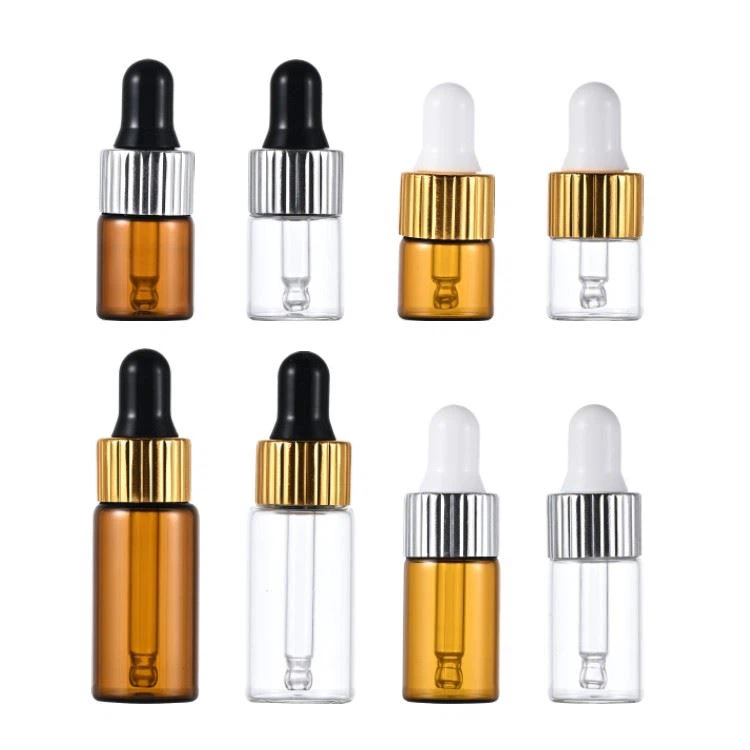
Different types of vials have different sealing mechanisms. Screw - cap vials, for example, should be tightened properly but not over - tightened, as this can damage the threads. Stoppered vials need to have the stoppers seated correctly. Make sure you're familiar with the proper way to seal each type of vial you're using.
Consider the Chemical Compatibility
If you're storing multiple substances in vials, you need to consider their chemical compatibility. Some substances can react with each other if they come into contact, even through the air inside the storage area. So, make sure to store incompatible substances separately.
For example, acids and bases should never be stored near each other. If there's a leak, the two could react violently. Do your research on the substances you're storing and create a storage plan that keeps them safe from each other.
Monitor the Storage Area
Finally, it's a good idea to monitor the storage area regularly. Check the temperature and humidity levels to make sure they're within the appropriate range. Look for any signs of damage, such as broken vials or leaks. If you notice any issues, take action right away to prevent further damage.
Well, there you have it! These are some of the key tips on how to store vials properly. By following these guidelines, you can ensure that your vials and their contents stay in good condition for as long as possible.
If you're in the market for high - quality vials, we've got you covered. Whether you need 1 Dram Glass Vials or Small Glass Vials with Screw Caps, we have a wide range of options to meet your needs. If you're interested in purchasing vials or have any questions about our products, feel free to reach out to us. We're here to help you find the perfect storage solution for your substances.
References
- Chemistry Storage Guidelines. Scientific Journal of Laboratory Management.
- Best Practices for Vial Storage in Pharmaceutical Industry. Pharmaceutical Research Magazine.


