


As a supplier of Glass Face Cream Jars, I understand the importance of proper sealing for these products. Not only does it preserve the quality and efficacy of the face cream inside, but it also enhances the overall user experience and brand image. In this blog post, I'll share some essential tips on how to seal glass face cream jars properly.
Understanding the Basics of Sealing
Before we delve into the sealing process, it's crucial to understand the reasons behind proper sealing. Glass face cream jars are designed to protect the delicate formulations of face creams from external factors such as air, moisture, light, and bacteria. A tight seal prevents oxidation, which can lead to changes in the cream's texture, color, and scent. It also stops the growth of microorganisms that could spoil the product and pose a risk to the user's skin.
Choosing the Right Sealing Materials
The first step in proper sealing is selecting the appropriate materials. Here are some common options:
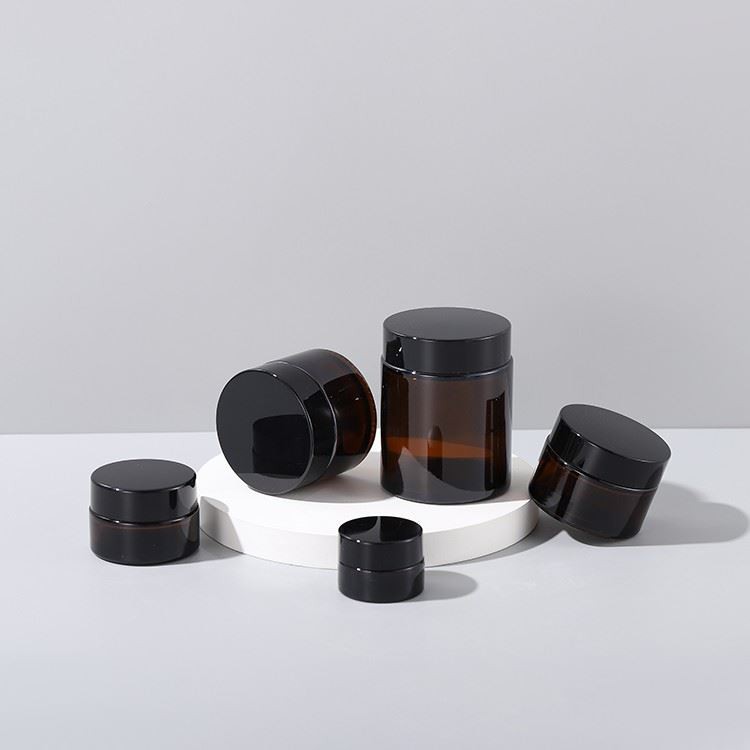

1. Lids and Caps
- Screw - on Lids: These are one of the most popular choices for glass face cream jars. They provide a tight fit and are easy to use. When choosing screw - on lids, make sure they are made of high - quality materials such as plastic or metal. The threads should be well - defined to ensure a secure seal.
- Snap - on Lids: Snap - on lids are convenient and offer a quick way to open and close the jar. They are often made of flexible materials that can create a tight seal when snapped onto the jar. However, they may not be as airtight as screw - on lids in some cases.
2. Sealing Liners
- Foam Liners: Foam liners are commonly used to enhance the seal of glass face cream jars. They can absorb any excess moisture and create a barrier between the lid and the cream. Foam liners come in different thicknesses and densities, so choose one that is appropriate for your jar size and the type of face cream.
- Foil Liners: Foil liners are another option, especially for products that require a high level of protection. They are impermeable to air and moisture, providing an excellent seal. Foil liners are often used in combination with other sealing materials for added security.
Preparing the Jars for Sealing
Proper preparation of the glass face cream jars is essential for a successful seal.
1. Cleaning
- Thoroughly clean the jars before filling them with face cream. Use a mild detergent and warm water to remove any dirt, dust, or debris. Rinse the jars several times to ensure all the detergent is removed.
- After cleaning, dry the jars completely. Any residual moisture can affect the sealing process and lead to the growth of mold or bacteria inside the jar.
2. Filling
- Fill the jars with the face cream to the appropriate level. Leave some headspace at the top of the jar to allow for expansion during storage and to ensure that the lid can be properly sealed. Overfilling the jar can prevent the lid from fitting correctly and compromise the seal.
The Sealing Process
Once the jars are prepared, it's time to seal them.
1. Applying the Sealing Liner
- If you are using a foam or foil liner, place it on top of the filled jar. Make sure the liner is centered and covers the entire opening of the jar.
- For some types of liners, you may need to use a tool to press the liner firmly onto the jar to ensure a good seal.
2. Attaching the Lid
- If using a screw - on lid, carefully place the lid on top of the jar and start turning it clockwise. Turn the lid slowly and evenly to ensure that the threads engage properly. Tighten the lid until it is snug, but be careful not to overtighten, as this can damage the jar or the lid.
- For snap - on lids, align the lid with the jar and press it down firmly until you hear a click, indicating that it is securely attached.
3. Quality Control
- After sealing the jars, conduct a quality control check. Inspect each jar to ensure that the lid is properly attached and the seal is tight. You can do this by gently shaking the jar and checking for any signs of leakage.
- If you notice any jars with a loose seal or other issues, reseal them immediately or discard them to maintain product quality.
Additional Tips for Proper Sealing
- Store in a Cool, Dry Place: After sealing, store the glass face cream jars in a cool, dry place away from direct sunlight. High temperatures and humidity can affect the integrity of the seal and the quality of the face cream.
- Use a Vacuum Sealer (Optional): For an extra level of protection, you can use a vacuum sealer. Vacuum sealing removes the air from the jar, reducing the risk of oxidation and spoilage. However, this method may require additional equipment and is more commonly used for larger - scale production.
The Importance of Proper Sealing for Your Brand
Properly sealed Glass Face Cream Jars not only protect the product but also enhance your brand image. Customers expect to receive high - quality products that are well - packaged and protected. A tight seal gives the impression of a professional and reliable brand.
If you are in the market for high - quality Glass Cream Jars, Glass Face Cream Jars, or Frosted Glass Cream Jar, we are here to provide you with the best solutions. Our jars are made of high - quality glass and come with a variety of sealing options to meet your specific needs.
If you are interested in learning more about our products or have any questions regarding the sealing of glass face cream jars, please feel free to contact us for procurement and further discussions. We are committed to providing you with the best products and services to help your business succeed.
References
- "Packaging Technology for Cosmetics" by John A. Del Vecchio
- "Cosmetic Packaging: Principles and Practice" by Yves Le Guével


