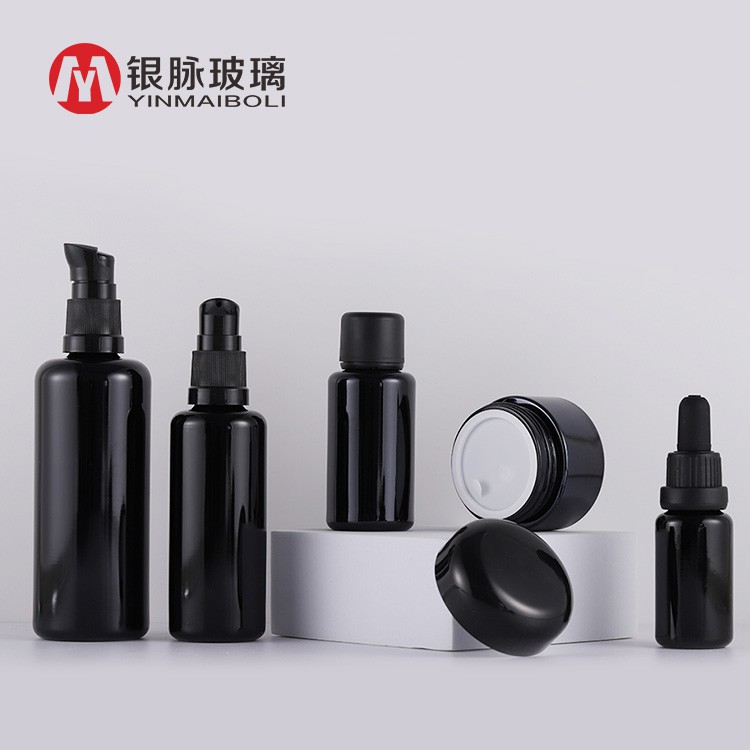

Frosted dropper bottles are a popular choice for storing essential oils, serums, and other high - end liquid products. Their frosted appearance not only adds an element of elegance but also provides some protection against light, which is crucial for preserving the integrity of the contents. As a supplier of Frosted Dropper Bottles, I understand the importance of maintaining their aesthetic appeal over time. In this blog, we'll explore some effective ways to keep your frosted dropper bottles looking their best.
Understanding the Frosted Surface
Before delving into maintenance tips, it's essential to understand what the frosted surface is. The frosted look on dropper bottles is typically achieved through a process called acid etching or sandblasting. Acid etching involves using a chemical solution to dissolve a thin layer of the glass surface, creating a rough texture that scatters light and gives the frosted effect. Sandblasting, on the other hand, uses high - pressure sand or other abrasive materials to physically abrade the glass surface.
Cleaning and Maintenance
Gentle Cleaning Agents
When it comes to cleaning frosted dropper bottles, using the right cleaning agents is crucial. Harsh chemicals can damage the frosted surface, causing it to lose its smooth and hazy appearance. Opt for mild, non - abrasive cleaning solutions such as a mixture of warm water and a small amount of gentle dish soap. This solution is effective in removing dirt, oil, and residue without harming the frosted finish.
To clean the bottle, fill it with the soapy water and let it soak for a few minutes. Then, use a soft - bristle brush or a sponge to gently scrub the inside and outside of the bottle. Rinse thoroughly with clean water to ensure that no soap residue remains.
Avoiding Abrasive Materials
Abrasive materials like steel wool or rough sponges should be strictly avoided when cleaning frosted dropper bottles. These materials can scratch the frosted surface, making it look dull and uneven. Instead, use soft microfiber cloths or non - abrasive sponges. Microfiber cloths are gentle on the glass and can effectively pick up dust and debris without causing any damage.
Drying Properly
After cleaning, it's important to dry the bottles properly. Leaving water droplets on the frosted surface can lead to water spots, which can mar the appearance of the bottle. Use a clean, dry microfiber cloth to gently pat the bottle dry. Make sure to dry both the inside and outside of the bottle thoroughly.
Storage Considerations
Protect from Scratches
During storage, it's essential to protect frosted dropper bottles from scratches. Store them in a dedicated container or a cabinet where they won't come into contact with other hard objects. You can also use individual bottle sleeves or dividers to keep the bottles separated and prevent them from rubbing against each other.
Avoid Extreme Temperatures
Extreme temperatures can have a negative impact on the frosted surface of dropper bottles. High temperatures can cause the glass to expand, potentially leading to cracks or damage to the frosted finish. Low temperatures can also make the glass more brittle. Therefore, it's best to store the bottles in a cool, dry place away from direct sunlight and heat sources.

Handling with Care
Proper Grip
When handling frosted dropper bottles, use a proper grip to avoid unnecessary pressure or friction on the surface. Hold the bottle by the base or the neck rather than squeezing the sides. This helps prevent fingerprints and smudges, which can be difficult to remove and can affect the overall appearance of the bottle.
Avoid Dropping
Dropping a frosted dropper bottle can cause significant damage, not only to the glass but also to the frosted surface. Be careful when handling the bottles, especially when filling or emptying them. If possible, place a soft mat or cloth on the work surface to cushion the bottle in case it accidentally slips.
Impact of Content on the Frosted Surface
The type of liquid stored in the dropper bottle can also affect the frosted appearance. Some essential oils or chemicals may react with the glass or the frosted surface over time.
Compatibility Checks
Before filling the bottles with any liquid, it's advisable to conduct compatibility tests. This can be done by filling a small test bottle with the same liquid and observing it over a period of time. Look for any signs of discoloration, cloudiness, or damage to the frosted surface.
Use of Liners
To protect the frosted surface from the potential chemical reactions of the contents, consider using liners. Liners can act as a barrier between the liquid and the glass, preventing any direct contact that may cause damage. There are various types of liners available, such as plastic or foil liners, which can be customized to fit the dropper bottles.
Regular Inspections
Regular inspections are an important part of maintaining the frosted appearance of dropper bottles. Check the bottles periodically for any signs of damage, such as scratches, chips, or changes in the frosted finish. If any issues are detected early, they can be addressed promptly to prevent further deterioration.
Our Product Range
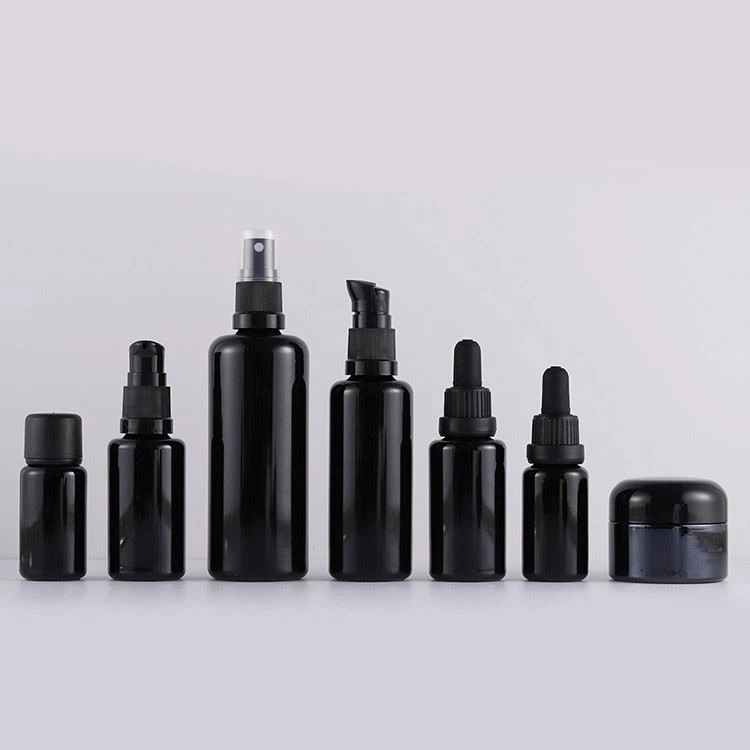
As a supplier of Frosted Dropper Bottles, we offer a diverse range of products to meet your needs. For those interested in black essential oil bottles, you can explore our collection of Black Essential Oil Bottles. These black bottles not only have a sleek and modern look but also provide additional protection against light.
We also have a wide selection of 15ml Essential Oil Bottles in frosted finish. These smaller bottles are perfect for samples or travel - sized products. And if you're in the market for general glass bottles for essential oils, check out our Glass Bottles for Essential Oils.
Contact Us for Purchases
If you're interested in purchasing our Frosted Dropper Bottles or have any questions about maintaining their appearance, we'd love to hear from you. Our team of experts is ready to assist you with your procurement needs and provide you with the best solutions.
References
- Smith, J. (2018). Handbook of Glass Packaging. Elsevier.
- Brown, A. (2019). Essential Oil Storage and Preservation. Journal of Aromatherapy Sciences.