


Hey there! I'm a supplier of Frosted Dropper Bottles, and I've seen firsthand how important proper labeling is. It's not just about looking good; it's about safety, compliance, and making your product stand out. In this blog, I'll share some tips on how to label frosted dropper bottles effectively.
Why Labeling Matters
First off, let's talk about why labeling is such a big deal. When you're selling products in frosted dropper bottles, your label is often the first thing your customers will see. It's your chance to make a great impression and communicate important information about your product.
For starters, a well - labeled bottle helps with safety. If your bottle contains essential oils or other potentially hazardous substances, you need to clearly label the contents, any warnings, and usage instructions. This protects your customers and can also protect you from legal issues.
Secondly, labeling is crucial for compliance. Depending on where you're selling your products, there may be specific regulations regarding what information must be included on the label. For example, in the US, the FDA has rules about ingredient listing and warning statements for cosmetic and food products.
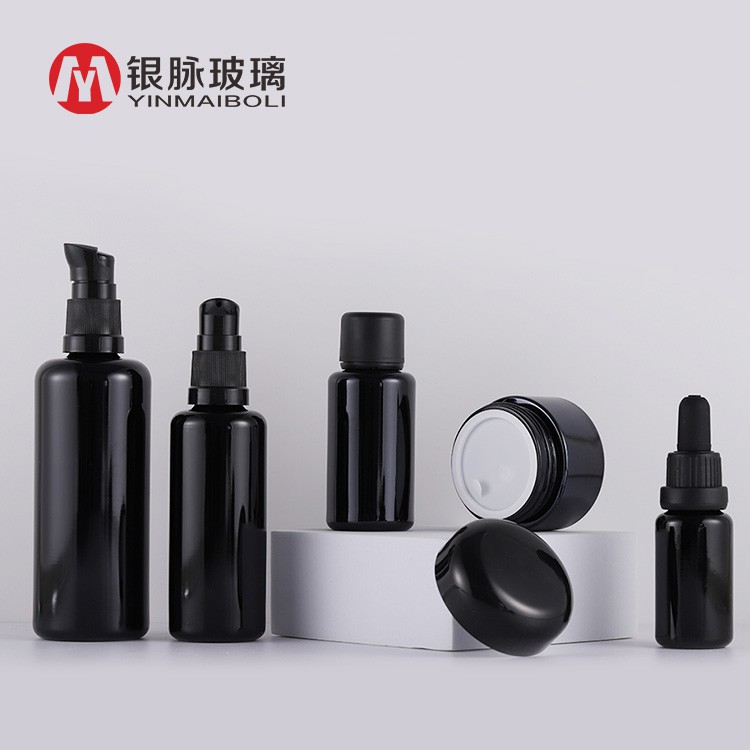

Finally, a good label can make your product more appealing. A creative and eye - catching label can help your product stand out on the shelves, whether it's in a store or an online marketplace.
Choosing the Right Label Material
When it comes to labeling frosted dropper bottles, the first decision you'll need to make is what kind of label material to use. There are several options, each with its own pros and cons.
Paper Labels
Paper labels are a popular choice because they're relatively inexpensive and easy to print on. They come in a variety of finishes, such as matte or glossy. Matte paper labels can give a more rustic or natural look, which is great for products like essential oils or natural skincare. Glossy paper labels, on the other hand, can make your label look more vibrant and eye - catching.
However, paper labels may not be the best choice if your product will be exposed to moisture or if it needs to be wiped down. They can also start to peel or fade over time.
Vinyl Labels
Vinyl labels are more durable than paper labels. They're resistant to water, oil, and chemicals, which makes them a great choice for products that may come into contact with liquids. Vinyl labels also come in a wide range of colors and finishes, and they can be printed with high - quality graphics.
The downside of vinyl labels is that they can be more expensive than paper labels. They also may not have the same natural look as paper labels, which could be a drawback for some products.
Clear Plastic Labels
Clear plastic labels can create a very sleek and modern look. They allow the frosted glass of the bottle to show through, which can be really appealing. Clear plastic labels are also durable and resistant to moisture.
But like vinyl labels, they can be more costly, and the printing process may be a bit more complicated.
Designing Your Label
Once you've chosen your label material, it's time to design your label. Here are some key elements to consider:
Branding
Your label should clearly show your brand name and logo. This helps customers recognize your products and builds brand loyalty. Make sure your logo is high - quality and centered on the label.
Product Name and Description
The product name should be big and easy to read. Below the product name, include a brief description of what the product is and what it does. For example, if you're selling an essential oil blend, you might list the main ingredients and the benefits of using the oil.
Ingredient List
If your product contains ingredients, you need to list them on the label. This is especially important for products like essential oils or skincare items. List the ingredients in descending order by weight, and use common or scientific names.
Warnings and Usage Instructions
If your product has any potential hazards or special usage instructions, make sure they're clearly stated on the label. For example, if an essential oil should be diluted before use, put that on the label.
Barcode
If you're selling your products in a store, you'll need a barcode on the label. The barcode allows the store to scan your product and track sales. You can get a barcode from a barcode provider.
Printing Your Labels
There are a few different ways to print your labels.
In - House Printing
If you have a small - scale operation, you might consider printing your labels in - house. You can use a regular printer, like an inkjet or laser printer, to print on pre - cut label sheets. This gives you a lot of flexibility, as you can print small batches at a time and make changes to the design easily.
However, in - house printing may not be the best option for large - scale production. The quality may not be as high as professional printing, and it can be time - consuming.
Professional Printing
For larger orders, professional printing is usually the way to go. There are many printing companies that specialize in label printing. They can use high - quality printing techniques, like flexography or digital printing, to produce labels with sharp graphics and vibrant colors.
Professional printing can be more expensive upfront, but it often results in a higher - quality label that will last longer.
Applying the Labels
Once you have your labels printed, it's time to apply them to the frosted dropper bottles. Here are some tips to make the process go smoothly:
Clean the Bottles
Before applying the label, make sure the surface of the bottle is clean and dry. Use a clean cloth to wipe away any dust or fingerprints. This will help the label stick better.
Use a Label Applicator
A label applicator can make the labeling process much easier and more accurate. There are manual label applicators that you can use for small - scale production, or you can invest in an automated label applicator for larger orders.
Smooth Out the Label
After applying the label, use a credit card or a similar flat object to smooth out any air bubbles or wrinkles. Start from the center of the label and work your way out to the edges.
Where to Find Frosted Dropper Bottles
As a supplier, I know that finding the right frosted dropper bottles is just as important as labeling them. We offer a wide range of frosted dropper bottles, and you can also check out our Bulk Essential Oil Bottles, Black Essential Oil Bottles, and Glass Bottles for Essential Oils on our website.
If you're interested in purchasing our frosted dropper bottles or have any questions about labeling, feel free to reach out. We're here to help you make your products look their best and comply with all the necessary regulations.
References
- "Labeling Requirements for Cosmetics" - US Food and Drug Administration
- "Packaging and Labeling for Essential Oils" - Essential Oil Association


