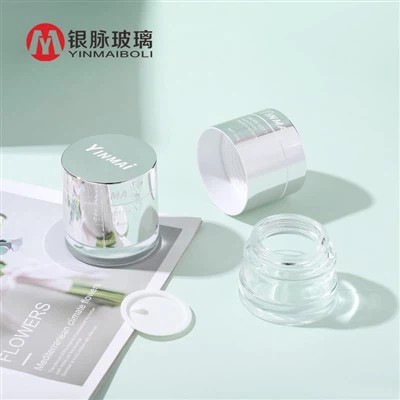

As a seasoned supplier of essential oil bottles, I've witnessed firsthand the surge in demand for these specialized containers. Essential oils have become a staple in many households, used for aromatherapy, skincare, and natural remedies. However, with the growing popularity of essential oils, the market has been flooded with counterfeit products, including fake essential oil bottles. In this blog post, I'll share some tips on how to identify counterfeit essential oil bottles, ensuring that you get the genuine product you deserve.
Understanding the Importance of Authenticity
Authentic essential oil bottles are designed to preserve the quality and integrity of the essential oils they contain. High-quality bottles are made from materials that are resistant to corrosion, oxidation, and UV light, which can degrade the essential oils over time. Counterfeit bottles, on the other hand, are often made from inferior materials that can leach chemicals into the essential oils, altering their composition and potentially causing harm to the user.
Visual Inspection
One of the first steps in identifying counterfeit essential oil bottles is to conduct a visual inspection. Here are some key features to look for:
- Labeling: Authentic essential oil bottles typically have clear, legible labels that provide detailed information about the product, including the name of the essential oil, its botanical name, the country of origin, and any safety warnings. Counterfeit bottles may have smudged or misspelled labels, or they may lack important information.
- Packaging: Pay attention to the packaging of the essential oil bottle. Authentic bottles are usually packaged in high-quality boxes or containers that are designed to protect the bottle during shipping and storage. Counterfeit bottles may come in flimsy or poorly constructed packaging.
- Bottle Design: Authentic essential oil bottles are often designed with specific features to ensure the proper storage and use of the essential oils. For example, many bottles have droppers or caps that are designed to prevent spills and leaks. Counterfeit bottles may have poorly designed droppers or caps that do not function properly.
Material Quality
The material used to make the essential oil bottle is another important factor to consider. Here are some common materials used in authentic essential oil bottles and how to identify them:
- Glass: Glass is the most common material used for essential oil bottles because it is non-reactive and does not leach chemicals into the essential oils. Authentic glass bottles are usually made from high-quality borosilicate glass, which is resistant to thermal shock and chemical corrosion. Counterfeit glass bottles may be made from lower-quality glass that is more prone to breakage and may contain impurities.
- Plastic: While plastic bottles are less common for essential oils, they are sometimes used for travel-sized or budget-friendly options. Authentic plastic bottles are usually made from high-density polyethylene (HDPE) or polypropylene (PP), which are safe for use with essential oils. Counterfeit plastic bottles may be made from lower-quality plastics that can leach chemicals into the essential oils.
Brand Reputation
When purchasing essential oil bottles, it's important to buy from a reputable brand. Look for brands that have a good reputation for quality and authenticity. You can research brands online, read customer reviews, and check for certifications or awards. Avoid buying from unknown or untrustworthy brands, as they may be more likely to sell counterfeit products.
Price
While price is not always an indicator of quality, it can be a useful tool for identifying counterfeit essential oil bottles. Authentic essential oil bottles are typically more expensive than counterfeit bottles because they are made from higher-quality materials and are designed to preserve the quality of the essential oils. If a bottle of essential oil seems too cheap to be true, it may be a sign that it is counterfeit.
Additional Tips
Here are some additional tips to help you identify counterfeit essential oil bottles:


- Buy from authorized retailers: To ensure that you are buying authentic essential oil bottles, buy from authorized retailers. Authorized retailers are more likely to sell genuine products and may offer a warranty or return policy.
- Check for seals and tamper-evident features: Authentic essential oil bottles often have seals or tamper-evident features to ensure that the product has not been opened or tampered with. Check for these features before purchasing the bottle.
- Compare with known authentic products: If you have a known authentic essential oil bottle, compare it with the bottle you are considering purchasing. Look for differences in labeling, packaging, bottle design, and material quality.
Conclusion
Identifying counterfeit essential oil bottles is an important step in ensuring that you get the genuine product you deserve. By conducting a visual inspection, checking the material quality, considering the brand reputation, and paying attention to the price, you can avoid purchasing counterfeit products and protect your health and well-being. As a supplier of Glass Bottles for Essential Oils, Black Essential Oil Bottles, and Frosted Dropper Bottles, I am committed to providing high-quality, authentic products to my customers. If you have any questions or would like to discuss your essential oil bottle needs, please feel free to contact me. I look forward to working with you!
References
- International Fragrance Association (IFRA). (n.d.). Essential Oils: A Guide to Quality and Safety. Retrieved from [IFRA website]
- National Association for Holistic Aromatherapy (NAHA). (n.d.). Aromatherapy Safety Guidelines. Retrieved from [NAHA website]
- Tisserand Institute. (n.d.). Essential Oil Safety. Retrieved from [Tisserand Institute website]