
Hey there! As a vials supplier, I've seen firsthand how crucial it is to handle vials properly, especially in a cold chain. The cold chain is a temperature - controlled supply chain that's super important for products like vaccines, biologics, and some pharmaceuticals. If vials aren't handled right in this process, it can mess up the integrity of the contents inside, and that's a big no - no.
First off, let's talk about storage. When vials are in transit or sitting in a storage facility within the cold chain, they need to be kept at the right temperature. Different products have different temperature requirements. For example, some vaccines need to be stored at around 2 - 8 degrees Celsius, while others might need to be frozen at much lower temperatures. You can't just stick them anywhere and hope for the best.
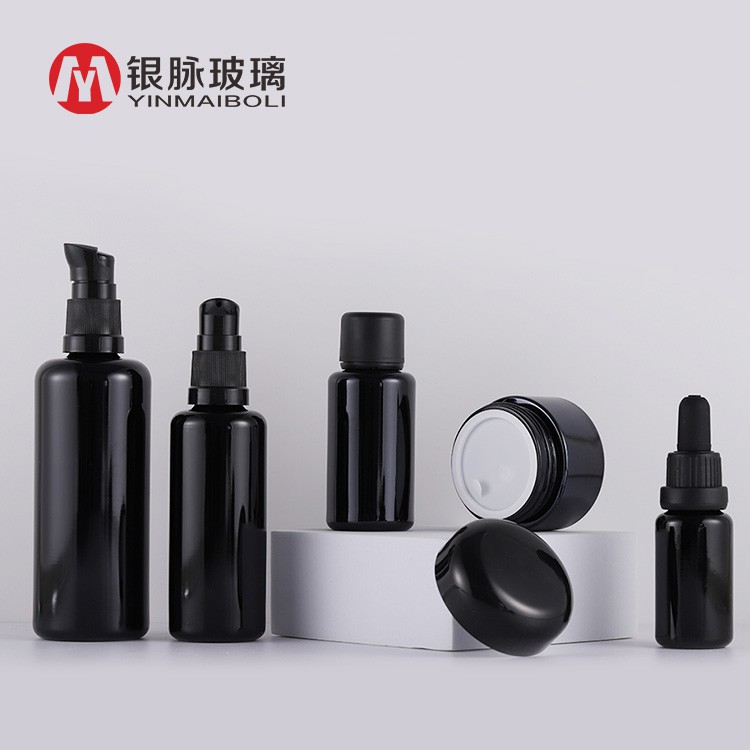
We've got some great 1 Dram Glass Vials that are perfect for cold chain storage. These vials are made of high - quality glass that can withstand the temperature changes in the cold chain. Glass is a great material because it's inert, which means it won't react with the contents inside the vial. This helps to keep the product stable and effective.
When it comes to transporting vials in the cold chain, you've got to be extra careful. You need to use proper packaging to insulate the vials from temperature fluctuations. There are special coolers and shipping containers designed for this purpose. These containers are often lined with materials like foam or gel packs that can absorb or release heat to maintain a stable temperature.
Another thing to consider is the handling of vials during loading and unloading. Workers should wear gloves to prevent body heat from transferring to the vials. And they need to be gentle when moving the vials around. Dropping or jostling the vials can cause the contents to break or become damaged, which can affect the quality of the product.
Let's also not forget about the caps on the vials. Our Small Glass Vials with Screw Caps have tight - fitting caps that are essential for keeping the contents secure and protected. A loose cap can let air or moisture in, which can lead to contamination or degradation of the product.
It's also important to have a monitoring system in place. You can use temperature sensors to keep track of the temperature inside the storage and shipping containers. This way, you can quickly identify if there are any temperature deviations and take action to correct them. If the temperature goes out of the acceptable range, you might need to transfer the vials to a more suitable environment or take steps to cool or heat the container back to the right temperature.
When you're receiving vials in the cold chain, you should do a quick inspection. Check the vials for any visible damage, like cracks or chips. Also, verify the temperature history of the shipment. Make sure that the vials have been kept at the right temperature throughout the journey. If there are any issues, you need to document them and decide whether the vials are still usable or if they need to be returned.
Training is key for everyone involved in the cold chain process. Workers need to know the proper procedures for handling vials. They should be educated about the importance of temperature control, proper packaging, and gentle handling. Regular training sessions can help to ensure that everyone is on the same page and that the vials are being handled correctly.
Now, let's talk about cleaning and sterilization. Before using vials in the cold chain, they need to be thoroughly cleaned and sterilized. This helps to prevent contamination of the product. There are different methods of sterilization, such as autoclaving, which uses high - pressure steam to kill any microorganisms. You need to follow the recommended sterilization procedures for the type of vial and the product it will contain.
Labeling is another important aspect. Each vial should be clearly labeled with information like the product name, expiration date, and storage temperature requirements. This makes it easier for everyone in the cold chain to handle the vials correctly. It also helps in case of an emergency or recall, as you can quickly identify which vials are affected.


In addition to all these technical aspects, it's also important to have a good relationship with your vial supplier. As a vials supplier, I'm always here to answer your questions and provide support. We can help you choose the right vials for your specific needs in the cold chain. Whether you need small vials for samples or larger vials for bulk products, we've got you covered.
If you're in the market for vials for your cold chain operations, I'd love to have a chat with you. We can discuss your requirements, and I can show you our range of vials. We offer high - quality products at competitive prices, and we're committed to providing excellent customer service. So, don't hesitate to reach out and start a conversation about your vial needs.
In conclusion, handling vials in a cold chain is a complex but essential process. By following the proper procedures for storage, transportation, handling, monitoring, and sterilization, you can ensure the integrity of the products inside the vials. And with the right vials from a reliable supplier, you can have peace of mind knowing that your products are in good hands.
References
- "Cold Chain Management for Pharmaceutical Products" - A guidebook on best practices in the pharmaceutical cold chain.
- "Vial Handling and Storage Guidelines" - Industry - specific guidelines for handling vials in various applications.