


Do glass jars or containers keep food fresh longer? Well, let's dive right into this topic. As a supplier of glass jars and containers, I've heard this question a ton, and there's a lot to unpack here.
First off, let's talk about what makes food go bad. There are a few main culprits: air, moisture, light, and bacteria. When food is exposed to these elements, it starts to break down. For example, oxygen in the air can cause oxidation, which makes fats go rancid and fruits and veggies turn brown. Moisture can lead to mold growth, and light can degrade vitamins and change the flavor of food. Bacteria, of course, can multiply and cause food to spoil.

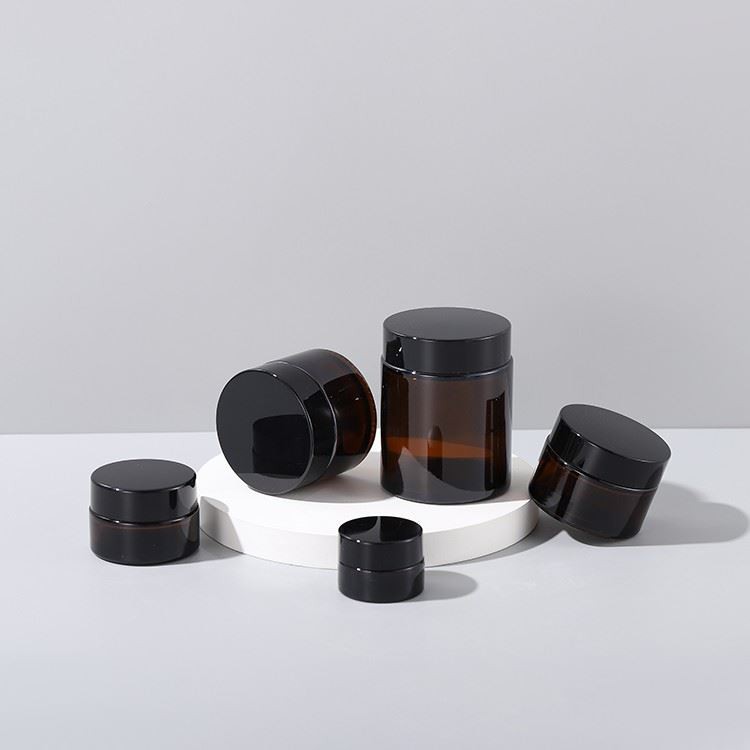
Now, let's see how glass jars stack up against these factors. Glass is a non - porous material. That means it doesn't have tiny holes or gaps where air, moisture, or bacteria can seep in or out. Unlike some plastic containers, which can have microscopic pores that allow oxygen to penetrate over time, glass forms a tight seal. When you store food in a glass jar with a good lid, you're creating a mini - environment that's relatively isolated from the outside world.
Take leftovers, for instance. If you put them in a glass container right after cooking, the glass helps to keep the air out. This slows down the oxidation process. So, your pasta sauce won't turn that unappetizing gray color as quickly, and your roasted veggies will stay crispier for longer. You can check out our Glass Face Cream Jars which are made with high - quality glass that provides excellent protection, and the same principles apply to food storage.
Moisture is another area where glass shines. Since it's impermeable to water vapor, it can prevent the build - up of condensation inside the jar. Condensation can be a breeding ground for mold and bacteria. For example, if you're storing dry goods like rice or flour in a glass jar, the glass will keep the moisture out, preventing clumping and spoilage.
Light is also a concern when it comes to food freshness. Some types of glass, like amber or colored glass, can block out harmful UV rays. This is especially important for foods that are sensitive to light, such as olive oil or certain herbs. UV rays can break down the nutrients in these foods and change their flavor. By using glass jars that block light, you're preserving the quality of your food. Our Glass Jars for Face Cream often come in various colors to protect the contents from light, and we can offer similar options for food storage.
Now, let's compare glass to other common food storage materials. Plastic containers are popular because they're lightweight and inexpensive. But over time, plastic can leach chemicals into the food, especially when it's exposed to heat or acidic foods. And as I mentioned earlier, plastic is often porous, which means it doesn't provide as good of a barrier against air and moisture. Metal containers can also be a good option, but they can react with acidic foods, changing the taste and potentially causing corrosion. Glass, on the other hand, is inert. It doesn't react with food, so it won't affect the taste or quality of what you're storing.
When it comes to long - term food storage, glass jars are a great choice. You can use them to store home - canned goods, which can last for months or even years if stored properly. The airtight seal of a glass jar and the stability of the glass material help to keep the food safe and fresh. Whether you're canning tomatoes in the summer or making your own jams, glass jars are the way to go.
Another advantage of glass jars is that they're reusable. You can wash them out and use them over and over again. This is not only good for the environment but also cost - effective in the long run. Instead of constantly buying new plastic containers that end up in landfills, you can rely on your trusty glass jars.
But it's not all sunshine and rainbows with glass jars. They are heavier than plastic, so if you're on the go a lot, carrying a glass container might be a bit of a hassle. And they can break if dropped, which is something to keep in mind. However, if you're storing food at home, these drawbacks are minor compared to the benefits.
In addition to food storage, glass jars have other uses. You can use them for DIY projects, like making your own candles or storing small items in your craft room. Our Glass Cream Jars can be repurposed in many creative ways, and the same goes for our food - storage glass jars.
So, do glass jars or containers keep food fresh longer? The answer is a resounding yes. They offer better protection against air, moisture, light, and bacteria compared to many other materials. If you're looking to improve the freshness of your food and reduce waste, I highly recommend switching to glass jars.
If you're interested in purchasing glass jars or containers for your food storage needs, feel free to reach out. We have a wide range of sizes and styles to choose from, and our team is always ready to assist you in finding the perfect solution for your requirements. Whether you're a home cook, a small business owner, or someone who just wants to make their food last longer, we've got you covered.
References
- "Food Packaging: Principles and Practice" by Yam K. L., Takhistov P. V., and Miltz J.
- "The Science of Food Preservation" by Gould G. W.


