


Hey there! As a vials supplier, I often get asked, "Are vials safe for storing chemicals?" It's a super important question, especially for those in the lab, pharmaceutical, or chemical industries. So, let's dive right in and break it all down.
The Basics of Vials
First off, what are vials? Vials are small containers, usually made of glass or plastic, designed to hold small amounts of liquid or solid substances. They come in various shapes, sizes, and materials, each with its own set of properties that make them suitable for different types of chemicals.
Glass Vials: A Popular Choice
Glass vials are one of the most commonly used options for chemical storage, and for good reason. They're made of high-quality materials that offer several advantages.
Chemical Resistance
One of the biggest perks of glass vials is their excellent chemical resistance. Glass is inert, which means it doesn't react easily with most chemicals. This makes it a great choice for storing a wide range of substances, from acids and bases to organic solvents. For example, if you're working with strong acids like hydrochloric acid or sulfuric acid, glass vials can handle it without corroding or leaching any harmful substances into the chemical.
Transparency
Another cool thing about glass vials is that they're transparent. This allows you to easily see the contents inside, which is super important when you're working with chemicals. You can check for any signs of contamination, precipitation, or changes in color or clarity. Plus, it makes it easier to measure and dispense the chemicals accurately.
Sterility
Glass vials can be easily sterilized, which is crucial for storing chemicals that need to be kept free from bacteria and other microorganisms. You can use methods like autoclaving or dry heat sterilization to ensure that the vials are clean and safe for use.
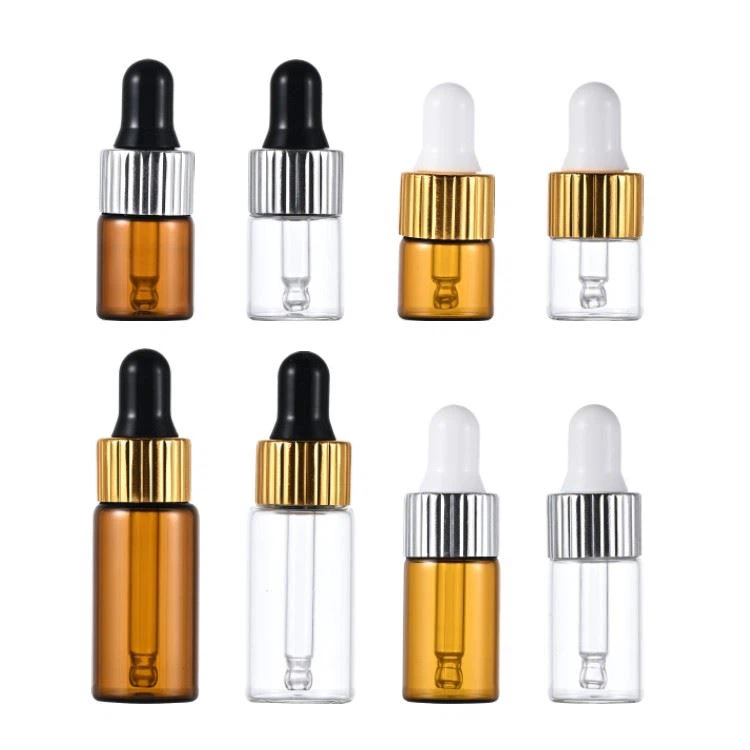
If you're interested in glass vials, we have some great options available, like our Small Glass Vials with Screw Caps and 1 Dram Glass Vials. These vials are made of high-quality glass and come with secure screw caps to prevent any leaks or spills.
Plastic Vials: A Practical Option
While glass vials are great, plastic vials also have their place in chemical storage. They're made of various types of plastics, such as polypropylene, polyethylene, and polystyrene, each with its own unique properties.
Durability
One of the main advantages of plastic vials is their durability. They're less likely to break or shatter compared to glass vials, which makes them a great choice for transporting or handling chemicals. This is especially important if you're working in a busy lab or industrial setting where accidents can happen.
Lightweight
Plastic vials are also lightweight, which makes them easier to handle and transport. This can be a big plus if you need to move large quantities of chemicals from one place to another.
Cost-Effective
In general, plastic vials are more cost-effective than glass vials. This makes them a great option for those on a budget or for applications where you don't need the highest level of chemical resistance or clarity.
However, it's important to note that not all plastics are created equal. Some plastics may react with certain chemicals, so it's crucial to choose the right type of plastic vial for your specific application.
Factors to Consider for Safe Chemical Storage
Now that we've talked about the different types of vials, let's discuss some of the factors you need to consider to ensure safe chemical storage.
Chemical Compatibility
The first and most important factor is chemical compatibility. You need to make sure that the vial you choose is compatible with the chemical you're storing. This means that the vial should not react with the chemical, leach any harmful substances into it, or break down over time. You can find information about chemical compatibility in the chemical's safety data sheet (SDS) or by consulting with a chemical expert.
Temperature and Pressure
Another important factor is temperature and pressure. Some chemicals may need to be stored at a specific temperature or pressure to maintain their stability. You need to make sure that the vial you choose can withstand the temperature and pressure conditions of your storage environment. For example, if you're storing a chemical that needs to be kept at a low temperature, you'll need to choose a vial that can be refrigerated or frozen without cracking or breaking.
Storage Conditions
In addition to temperature and pressure, you also need to consider other storage conditions, such as humidity, light, and ventilation. Some chemicals may be sensitive to these factors, so you need to make sure that the vial you choose can protect the chemical from them. For example, if you're storing a chemical that is sensitive to light, you'll need to choose a vial that is opaque or has a light-blocking coating.
Sealing and Closure
The sealing and closure of the vial are also important for safe chemical storage. You need to make sure that the vial has a tight seal to prevent any leaks or spills. This is especially important for chemicals that are volatile or toxic. You can choose from a variety of sealing options, such as screw caps, snap caps, or rubber stoppers, depending on your specific needs.
Our Commitment to Safety
As a vials supplier, we take safety very seriously. We only offer vials that are made of high-quality materials and meet the highest standards of safety and reliability. We also provide detailed information about the chemical compatibility, temperature resistance, and other properties of our vials to help you make an informed decision.
If you have any questions or need help choosing the right vial for your application, our team of experts is here to assist you. We're always happy to provide you with the information and support you need to ensure safe and effective chemical storage.

Conclusion
So, are vials safe for storing chemicals? The answer is yes, as long as you choose the right type of vial and take the necessary precautions. Glass vials are a great choice for their chemical resistance, transparency, and sterility, while plastic vials are a practical option for their durability, lightweight, and cost-effectiveness. By considering factors like chemical compatibility, temperature and pressure, storage conditions, and sealing and closure, you can ensure that your chemicals are stored safely and securely.
If you're in the market for vials for chemical storage, we invite you to check out our selection of Small Glass Vials with Screw Caps and 1 Dram Glass Vials. We're confident that you'll find the right vials for your needs. And if you have any questions or would like to discuss your requirements further, please don't hesitate to contact us. We look forward to working with you!
References
- ASTM International. (2023). Standard Test Methods for Chemical Resistance of Plastics.
- International Organization for Standardization (ISO). (2023). ISO 11137: Sterilization of health care products - Radiation - Requirements for development, validation, and routine control of a sterilization process for medical devices.
- National Fire Protection Association (NFPA). (2023). NFPA 430: Code for the Storage of Liquid and Solid Oxidizers.


