


When it comes to storing essential oils, the choice of container is crucial. Essential oils are highly concentrated plant extracts with potent properties, and their storage conditions can significantly affect their quality and shelf - life. While glass bottles are the most commonly used containers for essential oils, there is also interest in ceramic essential oil bottles. In this blog, as an essential oil bottles supplier, I'll explore whether there are essential oil bottles made of ceramic, their advantages and disadvantages, and compare them with other popular options.
Are There Ceramic Essential Oil Bottles?
Yes, there are essential oil bottles made of ceramic. Ceramic has been used for centuries to store various substances due to its durability and aesthetic appeal. In recent years, ceramic essential oil bottles have gained some popularity among consumers who are looking for unique and eco - friendly storage solutions.
Ceramic essential oil bottles are typically hand - crafted or made through traditional ceramic manufacturing processes. They come in a variety of shapes, sizes, and colors, offering a more artistic and personalized touch compared to mass - produced glass bottles. Some ceramic essential oil bottles are also designed with airtight lids to keep the essential oils fresh and prevent evaporation.
Advantages of Ceramic Essential Oil Bottles
- Aesthetic Appeal: Ceramic bottles are known for their beautiful and unique designs. They can add a touch of elegance and style to any collection of essential oils. Whether you prefer a rustic, hand - painted look or a modern, minimalist design, there is a ceramic essential oil bottle to suit your taste.
- Insulation Properties: Ceramic has better insulation properties than glass. It can help maintain a more stable temperature inside the bottle, which is beneficial for essential oils. Temperature fluctuations can cause essential oils to degrade over time, and the insulation provided by ceramic can slow down this process.
- Eco - Friendly: Ceramic is a natural and sustainable material. It is made from clay, which is abundant in nature. Unlike plastic bottles, ceramic bottles are biodegradable and do not release harmful chemicals into the environment.
Disadvantages of Ceramic Essential Oil Bottles
- Fragility: Ceramic is more fragile than glass. It can easily break if dropped or mishandled. This means that extra care is needed when transporting and using ceramic essential oil bottles.
- Cost: Hand - crafted ceramic essential oil bottles can be more expensive than glass bottles. The cost of materials, labor, and the unique manufacturing process contribute to the higher price.
- Porosity: Some ceramic materials may be slightly porous. This can allow small amounts of air and moisture to seep into the bottle, potentially affecting the quality of the essential oils over time.
Comparison with Glass Essential Oil Bottles
Glass is the most popular material for essential oil bottles, and for good reason. Here's how glass compares to ceramic:
- Durability: While both glass and ceramic are breakable, glass is generally more resistant to scratches and chips. Glass bottles can withstand more wear and tear during normal use.
- Transparency: Glass bottles are transparent, which allows you to easily see the level and color of the essential oil inside. This can be useful for monitoring the quality and quantity of the oil. In contrast, ceramic bottles are opaque, so you cannot see the contents without opening the bottle.
- Chemical Resistance: Glass is highly resistant to chemical reactions with essential oils. It does not react with the oils, ensuring that their purity and potency are maintained. While ceramic is also relatively inert, there is a small risk of chemical reactions if the ceramic is not properly glazed.
Popular Glass Essential Oil Bottles
As an essential oil bottles supplier, I also offer a wide range of glass essential oil bottles. Here are some popular options:
- Frosted Dropper Bottles: These bottles have a frosted finish, which not only looks stylish but also helps protect the essential oils from light. The dropper allows for easy and precise dispensing of the oils.
- Glass Bottles for Essential Oils: These are standard glass bottles available in various sizes. They are made of high - quality glass and are designed to keep the essential oils fresh and pure.
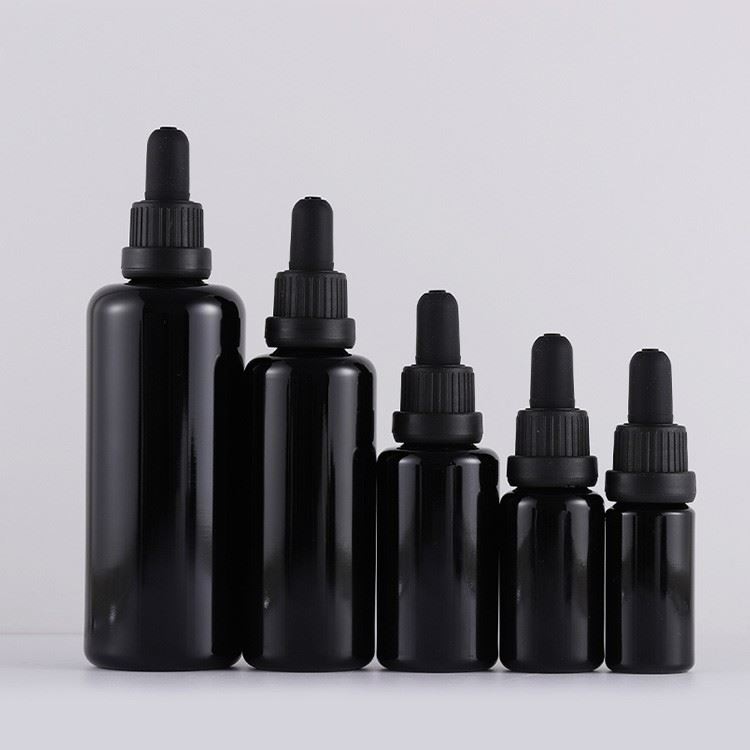
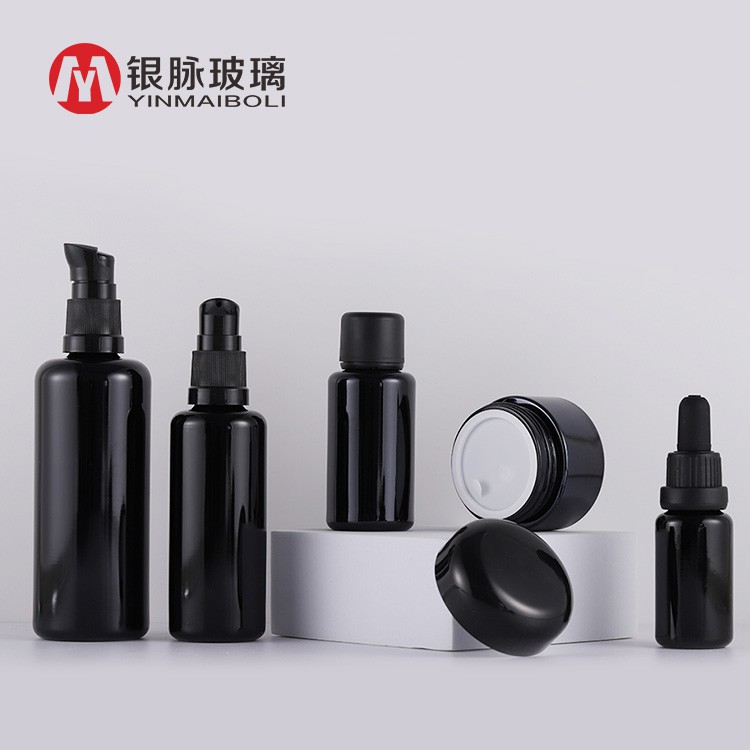
- Black Essential Oil Bottles: Black glass is excellent for protecting essential oils from light. Light can cause essential oils to oxidize and lose their potency, and black glass provides a high level of protection.
Choosing the Right Essential Oil Bottle
When choosing an essential oil bottle, you need to consider several factors, including the type of essential oil, how often you use it, and your personal preferences. If you are looking for a bottle with high aesthetic value and good insulation, ceramic essential oil bottles may be a good choice. However, if you need a more durable and cost - effective option, glass bottles are the way to go.
It's also important to ensure that the bottle has an airtight seal to prevent evaporation and contamination. Additionally, consider the size of the bottle. If you use essential oils frequently, a larger bottle may be more convenient. On the other hand, if you travel a lot or want to try different essential oils, smaller bottles are more suitable.
Contact for Purchase and Negotiation
If you are interested in purchasing essential oil bottles, whether they are ceramic or glass, I am here to assist you. As an experienced essential oil bottles supplier, I can offer you high - quality products at competitive prices. We can discuss your specific requirements, such as bottle size, design, and quantity. Please feel free to reach out to start the negotiation process and find the perfect essential oil bottles for your needs.
References
- "The Complete Book of Essential Oils and Aromatherapy" by Valerie Ann Worwood
- "Aromatherapy: A Complete Guide to the Healing Art" by Gabriel Mojay


