


When it comes to packaging for foundation products, glass bottles have long been a popular choice among cosmetic brands. As a supplier of glass foundation bottles, I often get asked the question: Are glass foundation bottles easy to hold? In this blog post, I'll delve into this topic, exploring the factors that affect the holdability of glass foundation bottles and why they remain a top option in the beauty industry.
Design Features Affecting Holdability
Shape
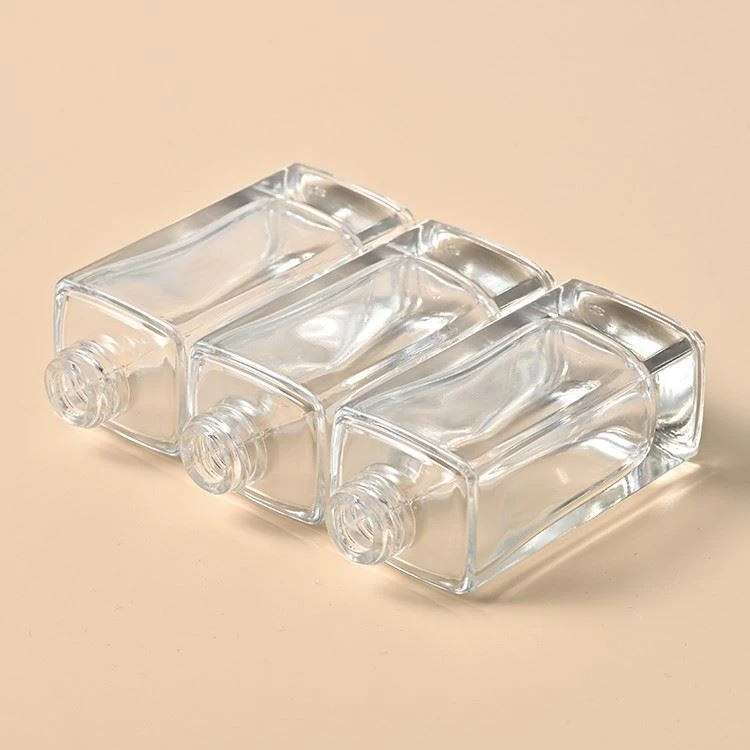
The shape of a glass foundation bottle plays a crucial role in how easy it is to hold. Many glass foundation bottles are designed with ergonomic shapes that fit comfortably in the hand. For example, some bottles have a slightly curved body, which mimics the natural contour of the hand when gripping. This design feature allows for a secure and comfortable hold, reducing the risk of the bottle slipping out of the hand during use.
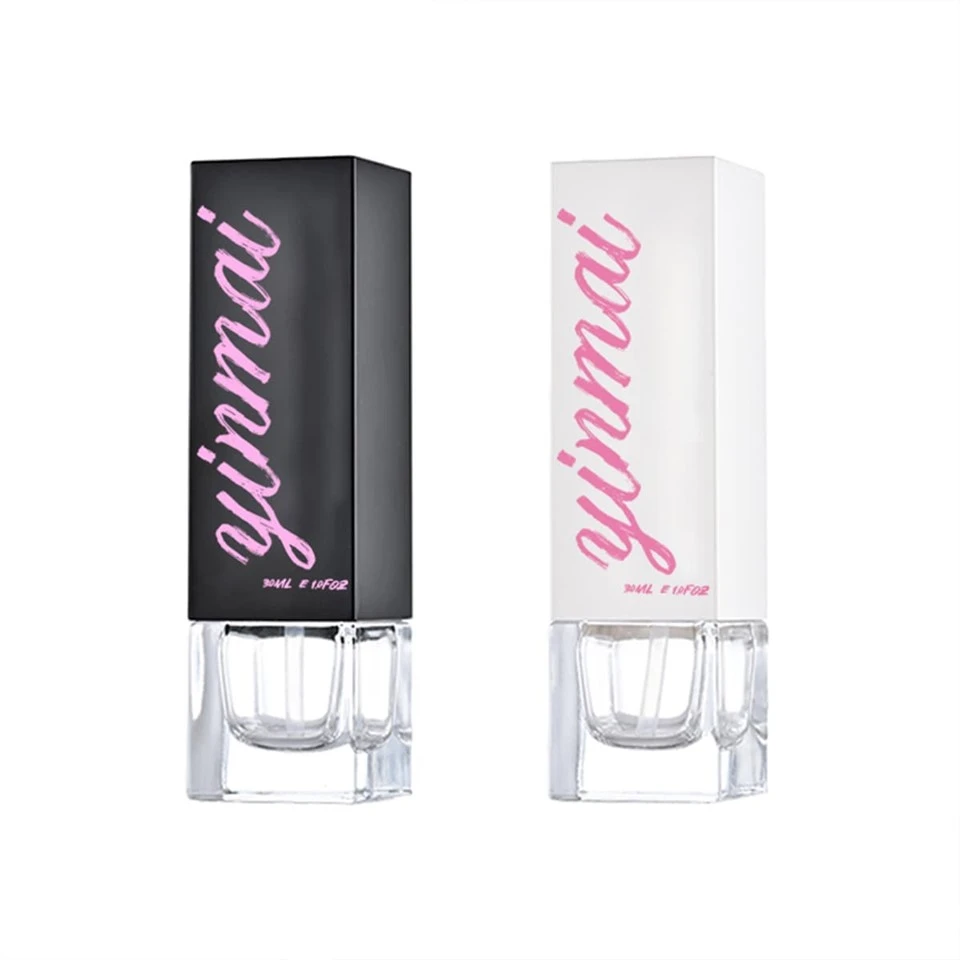
On the other hand, some glass foundation bottles may have a more angular or geometric shape. While these shapes can be visually appealing, they may not be as easy to hold as curved bottles. Angular edges can dig into the hand, causing discomfort and making it more difficult to maintain a firm grip. However, manufacturers can mitigate this issue by adding soft-touch coatings or textured surfaces to the angular areas of the bottle.
Size and Weight
The size and weight of a glass foundation bottle also impact its holdability. Smaller bottles, such as the 30ml Foundation Bottle Glass, are generally easier to hold than larger ones. They are lighter and more compact, making them more manageable for everyday use. These smaller bottles are also ideal for travel, as they can easily fit into a purse or makeup bag.
However, larger glass foundation bottles, which may hold more product, can still be easy to hold if they are designed with the user in mind. Manufacturers can use lightweight glass materials or incorporate features such as handles or grips to make larger bottles more comfortable to hold. For example, some high-end glass foundation bottles have a built-in handle that provides a secure and comfortable grip, even when the bottle is full.
Surface Texture
The surface texture of a glass foundation bottle can significantly affect its holdability. A smooth glass surface can be slippery, especially if the bottle is wet or the user's hands are oily. To address this issue, many glass foundation bottles are designed with a textured surface. Textures can range from subtle ridges to more pronounced patterns, which provide additional friction and improve grip.
Some glass foundation bottles also feature a soft-touch coating, which not only enhances the holdability but also gives the bottle a luxurious feel. This coating can make the bottle more comfortable to hold for extended periods, reducing hand fatigue. Additionally, a soft-touch coating can help to protect the glass from scratches and fingerprints, keeping the bottle looking clean and new.
Advantages of Glass Foundation Bottles in Terms of Holdability
Durability
Glass is a durable material that can withstand regular handling. Unlike plastic bottles, which can crack or break easily, glass foundation bottles are less likely to be damaged during normal use. This durability means that the bottle will maintain its shape and integrity over time, ensuring that it remains easy to hold.
Aesthetics
Glass foundation bottles offer a high-end and luxurious look that is highly desirable in the beauty industry. The transparency of glass allows consumers to see the product inside, which can be a selling point for many cosmetic brands. Additionally, glass bottles can be easily customized with labels, embossing, or other decorative elements, which can enhance the overall aesthetic appeal of the product.
Environmental Friendliness
In today's environmentally conscious world, many consumers are looking for sustainable packaging options. Glass is a recyclable material, which makes it a more eco-friendly choice compared to plastic. By choosing glass foundation bottles, cosmetic brands can appeal to environmentally conscious consumers while also providing a product that is easy to hold and use.
Disadvantages and Mitigation Strategies
Fragility
One of the main disadvantages of glass foundation bottles is their fragility. Glass can break if dropped or mishandled, which can be a concern for both consumers and manufacturers. To mitigate this risk, manufacturers can use tempered glass or add protective layers to the bottle. Tempered glass is stronger and more resistant to breakage than regular glass, while protective layers can help to absorb the impact of a fall.
Cost
Glass foundation bottles are generally more expensive than plastic bottles. This higher cost can be a deterrent for some cosmetic brands, especially those on a tight budget. However, the benefits of glass, such as its durability, aesthetics, and environmental friendliness, often outweigh the higher cost. Additionally, manufacturers can work with suppliers to find cost-effective solutions, such as bulk purchasing or using standard bottle designs.
Conclusion
In conclusion, glass foundation bottles can be easy to hold, thanks to their ergonomic designs, textured surfaces, and appropriate size and weight. While they do have some disadvantages, such as fragility and cost, these can be mitigated through careful design and manufacturing processes. As a supplier of glass foundation bottles, I am committed to providing high-quality products that are not only easy to hold but also meet the needs and preferences of cosmetic brands and consumers.
If you are a cosmetic brand looking for a reliable glass foundation bottle supplier, I encourage you to contact us for a consultation. We can work with you to design and manufacture the perfect glass foundation bottle for your product, ensuring that it is easy to hold, visually appealing, and environmentally friendly.
References
- Cosmetics Packaging: A Guide to Materials and Design. (Year). Publisher.
- The Impact of Packaging Design on Consumer Perception and Purchase Intent. (Year). Journal of Marketing Research.
- Sustainable Packaging in the Cosmetics Industry: Trends and Challenges. (Year). International Journal of Cosmetic Science.


